×

The Standard e-Paper
Join Thousands of Readers





Audio By Vocalize
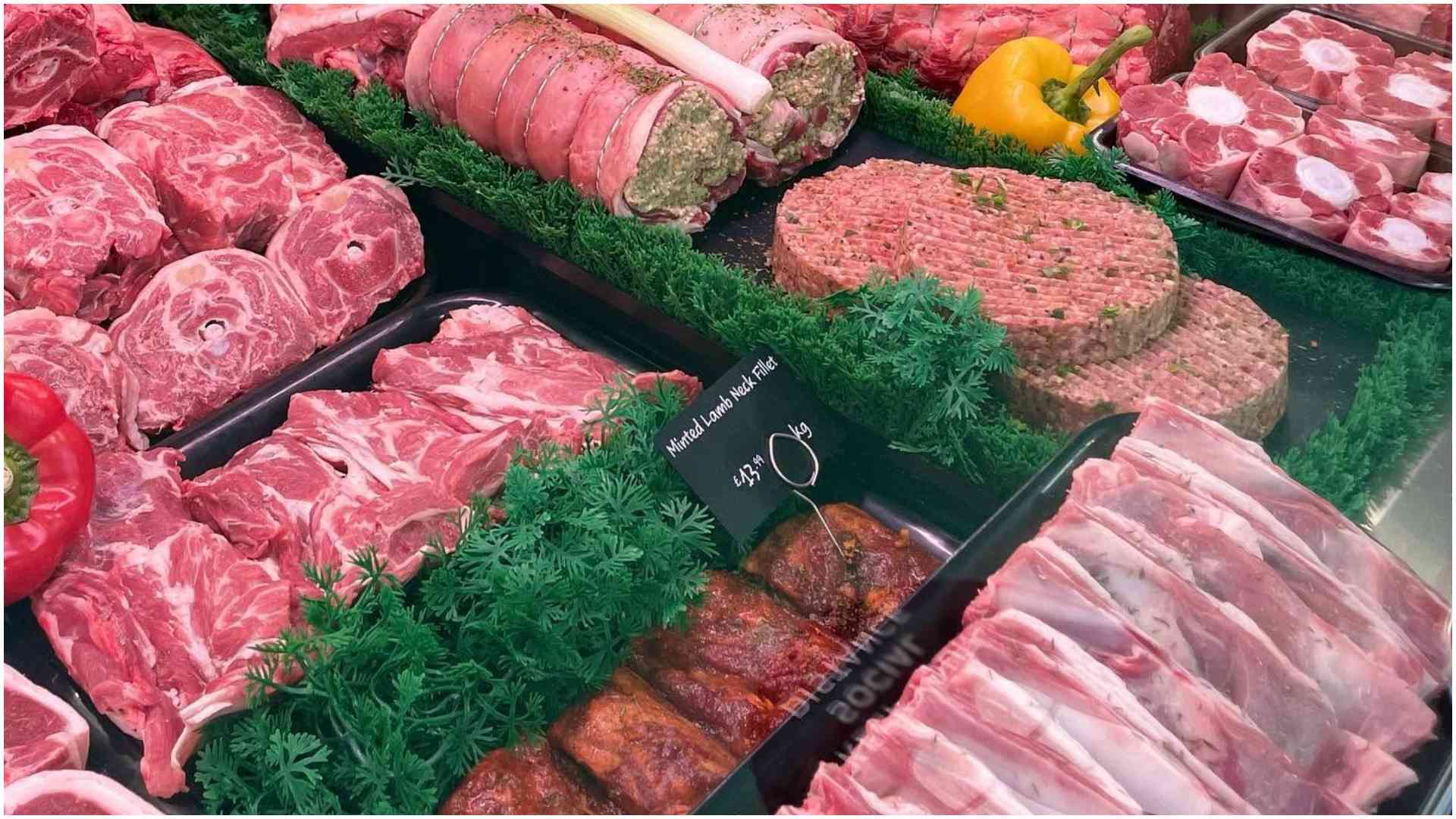
The European Union has temporarily suspended imports of fresh cattle, sheep and goat meat from Namibia following an outbreak of foot-and-mouth disease (FMD).
The restrictions also cover some processed meat products and come after the disease was confirmed on September 23 at a commercial farm in the Karasburg State Veterinary District in the Kharas Region.
In a statement issued on October 5, the EU said the outbreak could have a serious impact on Namibia’s livestock sector, farmers’ livelihoods and the wider economy.
The bloc described FMD as one of the most serious and highly contagious animal diseases.
“We are saddened by this outbreak and recognise the serious impact this will have on Namibia animal health status, farmers’ livelihoods and the wider economy,” the EU said.
Namibian authorities notified the World Organisation for Animal Health (WOAH) after the outbreak was confirmed and introduced measures to control the movement of livestock.
Namibia also banned the export of cloven-hoofed animals and their products as part of efforts to contain the disease.
Following the notification, WOAH suspended Namibia’s FMD-free status with effect from September 22, 2026.
The EU commended Namibia for its response, saying authorities had acted quickly and maintained transparency over the outbreak.
EU Ambassador to Namibia Ana Beatriz Martins said the country’s veterinary services had responded professionally.
“Namibia has responded with speed and transparency, and we commend its veterinary services for their professional response,” Martins said.
She added that the EU would continue working with the Namibian government and veterinary authorities to contain the outbreak and protect farmers’ livelihoods.
The restrictions were published in the Official Journal of the European Union on October 5, with September 23 set as the cut-off date for the entry of affected products.
However, fresh meat consignments certified by Namibian authorities before September 23 may still enter the EU within 90 days of the outbreak, subject to EU regulations and checks at border control points.
Processed meat that has undergone the strictest risk-reducing treatment required under EU rules will also remain eligible for entry.
The EU described the restrictions as precautionary measures consistent with international animal health standards.
The bloc stressed that the decision does not affect Namibia’s preferential trade access under the EU-SADC Economic Partnership Agreement. Instead, it only changes the animal health conditions for the affected products.
The EU said it would continue monitoring the outbreak with Namibian authorities and review the restrictions as Namibia’s animal health situation improves.
Subscribe to our newsletter and stay updated on the latest developments and special offers!