×

The Standard e-Paper
Read Offline Anywhere





Audio By Vocalize
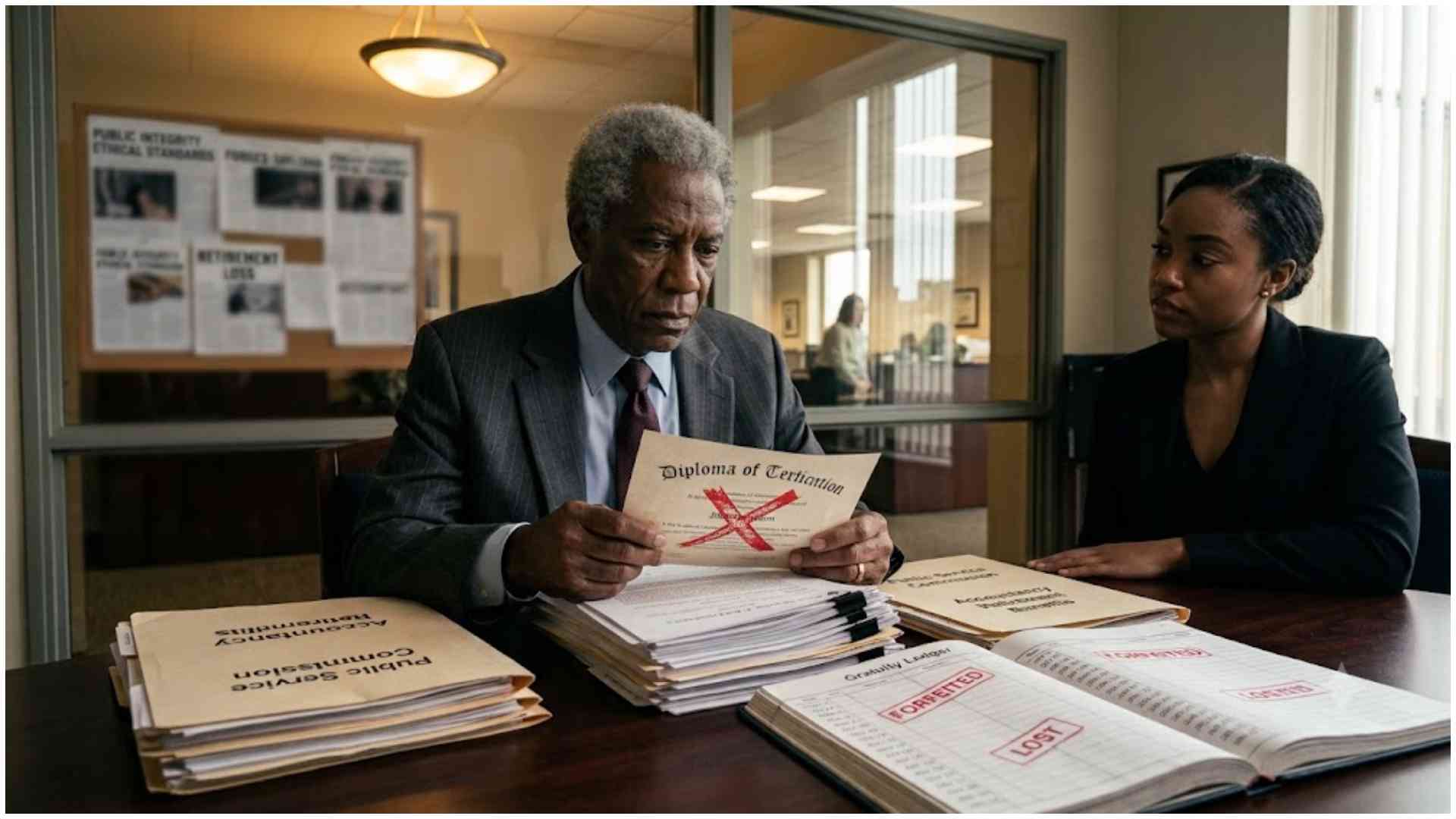
An attempt to secure a managerial position in 2010 using a forged diploma has cost a senior accountant 33 years of retirement benefits after the Public Service Commission (PSC) upheld his dismissal.
Geoffrey Nzyoki, who worked for Kenya Safari Lodges and Hotels Limited for 33 years, also lost gratuity equivalent to 31 per cent of his annual salary for each year served, as provided for under the Collective Bargaining Agreement (CBA).
In her judgment, Justice Monica Mbaru upheld the PSC’s decision, ruling that an employee who is lawfully summarily dismissed is not entitled to gratuity.
However, the judge ruled that Nzyoki should receive his pension contributions made at one per cent throughout his employment.
“His contributions to the pension scheme at one per cent should not be lost on the basis that, from February 1, 1990, until 2010, when he submitted the forged certificate, he served honestly without any adverse record. The applicable pension rules and regulations shall apply, and the respondent shall facilitate the claimant in accessing his pension contributions,” Justice Mbaru ruled.
Nzyoki joined the hotel on February 1, 1990, as an accounts clerk and receptionist using his O-level and A-level certificates. He remained in employment until December 20, 2023, when he was summarily dismissed.
The dismissal followed the discovery that he had submitted a forged University of Nairobi diploma in Business Administration in 2010 while seeking promotion to the position of Assistant Manager at Voi Safari Lodge, a post he ultimately did not secure.
In a letter dated December 22, 2022, the University of Nairobi’s Academic Registrar confirmed that the institution had neither issued the diploma certificate nor enrolled Nzyoki as a student.
Nzyoki admitted that the diploma certificate was forged. However, he argued that he should still receive his gratuity, pension, house allowance and certificate of service to enable him to retire with dignity.
He maintained that the forged certificate had not been used to secure his initial employment and played no role in his continued service, as he remained employed as an accountant and receptionist.
One person targetted
He further accused the hotel of acting maliciously, arguing that the PSC should have audited all employees with more than 10 years of service instead of targeting him alone.
Court documents showed that, in a letter dated December 21, 2022, the PSC authorised the hotel to extend its verification exercise to cover employees who had been appointed, redesignated or promoted.
Nzyoki denied allegations that he had obtained employment through the forged diploma, insisting that the certificate related only to an unsuccessful promotion attempt and could not justify summary dismissal.
He also cited a court decision issued on October 21, 2022, which held that employees dismissed from service are entitled to pension, gratuity and accrued benefits, regardless of the circumstances surrounding their exit.
The Kenya Union of Domestic, Hotels, Educational Institutions, Hospitals and Allied Workers (KUDHEIHA) participated in the case as an interested party.
In its defence, Kenya Safari Lodges and Hotels said verification by the University of Nairobi confirmed that the diploma certificate submitted by Nzyoki on November 10, 2000, was forged.
The hotel’s General Manager, Ronald Simiyu, told the court that Nzyoki was issued with a notice to show cause and invited to a disciplinary hearing but failed to provide a satisfactory explanation for submitting the forged certificate.
Justified dismissal
Simiyu said the hotel verified all employment documents with the issuing institutions and was guided by directives from the PSC and the Ethics and Anti-Corruption Commission (EACC), which require employers to invalidate appointments or promotions obtained through forged academic credentials.
“The claimant admitted submitting forged documents to the respondent. The trust and confidence necessary for continued employment no longer existed, and summary dismissal was therefore justified,” Simiyu said.
Justice Mbaru agreed, holding that Nzyoki’s admission to submitting a forged certificate while seeking promotion placed him in breach of the PSC circular governing public service integrity.
She rejected his argument that no offence had been committed because he failed to secure the promotion.
“Submitting forged documents in an attempt to obtain promotion tainted his career. His claim that he did not benefit from the forged certificate is not persuasive,” the judge ruled.
Justice Mbaru added that professions such as accountancy are highly regulated and demand the highest standards of honesty, integrity and professional conduct.
Subscribe to our newsletter and stay updated on the latest developments and special offers!