×

The Standard e-Paper
Informed Minds Prefer The Standard





Audio By Vocalize
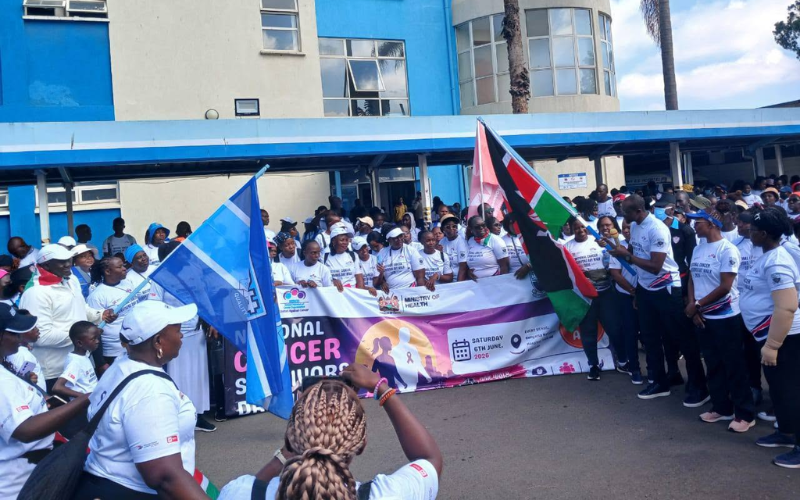
Cancer Survivors Day brought together a resilient community of patients, caregivers, and healthcare workers across Kenya to celebrate life beyond a diagnosis under this year's theme, "United by Unique."
The national commemoration highlighted both individual triumphs and the broader institutional fight against a disease that remains the third leading cause of death in the country, following infectious diseases and cardiovascular conditions.
According to the Ministry of Health and the National Cancer Institute of Kenya, more than 42,000 new cancer cases are diagnosed annually, while approximately 27,000 deaths are recorded each year.
Breast cancer remains the most prevalent type among Kenyan women, followed closely by cervical cancer, which remains a leading cause of death despite being largely preventable through vaccination and screening.
Among men, prostate cancer is the most common, while oesophageal cancer also continues to affect thousands of families.
Kenyatta National Hospital, the largest referral facility in the country, joined the global celebrations by hosting a symbolic five-kilometre walk around its grounds to honour survivors and raise awareness about the physical, emotional, and financial hurdles that persist long after treatment ends.
Dr Andrew Owuor, a consultant pulmonologist, flagged off the event.
"Hope walks louder than fear today at Kenyatta National Hospital," the institution shared in a social media statement, noting that they serve 1,600 oncology patients each month.
The hospital has commissioned an AI-powered linear accelerator that can treat 50 to 120 patients daily. According to the facility, the precise tumor-targeting technology will significantly reduce radiotherapy waiting times and lower treatment costs for families.
The stark reality of that financial and emotional strain is well known to breast cancer survivor Mary Alusa, who recalls that receiving her diagnosis in 2022 felt like her world had come crashing down.
"When I heard the word cancer, I immediately thought I was going to die," she said, remembering how she worried about her children and what would happen to her family.
Alusa underwent surgery followed by months of chemotherapy, and today, she is in remission and dedicates her time to encouraging other women to prioritise regular screenings.
While survivors are at the forefront of the celebrations, health experts and families alike are drawing attention to caregivers, the silent heroes whose daily sacrifices frequently go unnoticed.
Balancing emotional, financial, and household responsibilities, these individuals form the backbone of patient recovery.
For Jane Wanjiku, a resident of Kileleshwa, the past three years have revolved entirely around caring for her husband after his diagnosis.
"When my husband was diagnosed, everything changed overnight," she said, describing the sudden onslaught of hospital appointments and medication schedules on days when he was too weak to leave bed.
Wanjiku noted that the journey taught her the true meaning of patience, love, and resilience, adding that cancer ultimately affects the entire family, not just the patient.
Watching her husband complete his treatment and gradually regain his strength reminded her that miracles happen every day, and she urged other families facing similar battles never to lose hope because every small victory counts.
Medical experts continue to urge Kenyans to prioritise early detection and preventive healthcare.
For the average person, regular check-ups remain the most effective tool available to improve survival rates and alter the trajectory of the disease nationwide.
Subscribe to our newsletter and stay updated on the latest developments and special offers!