×

The Standard e-Paper
Informed Minds Prefer The Standard





Audio By Vocalize
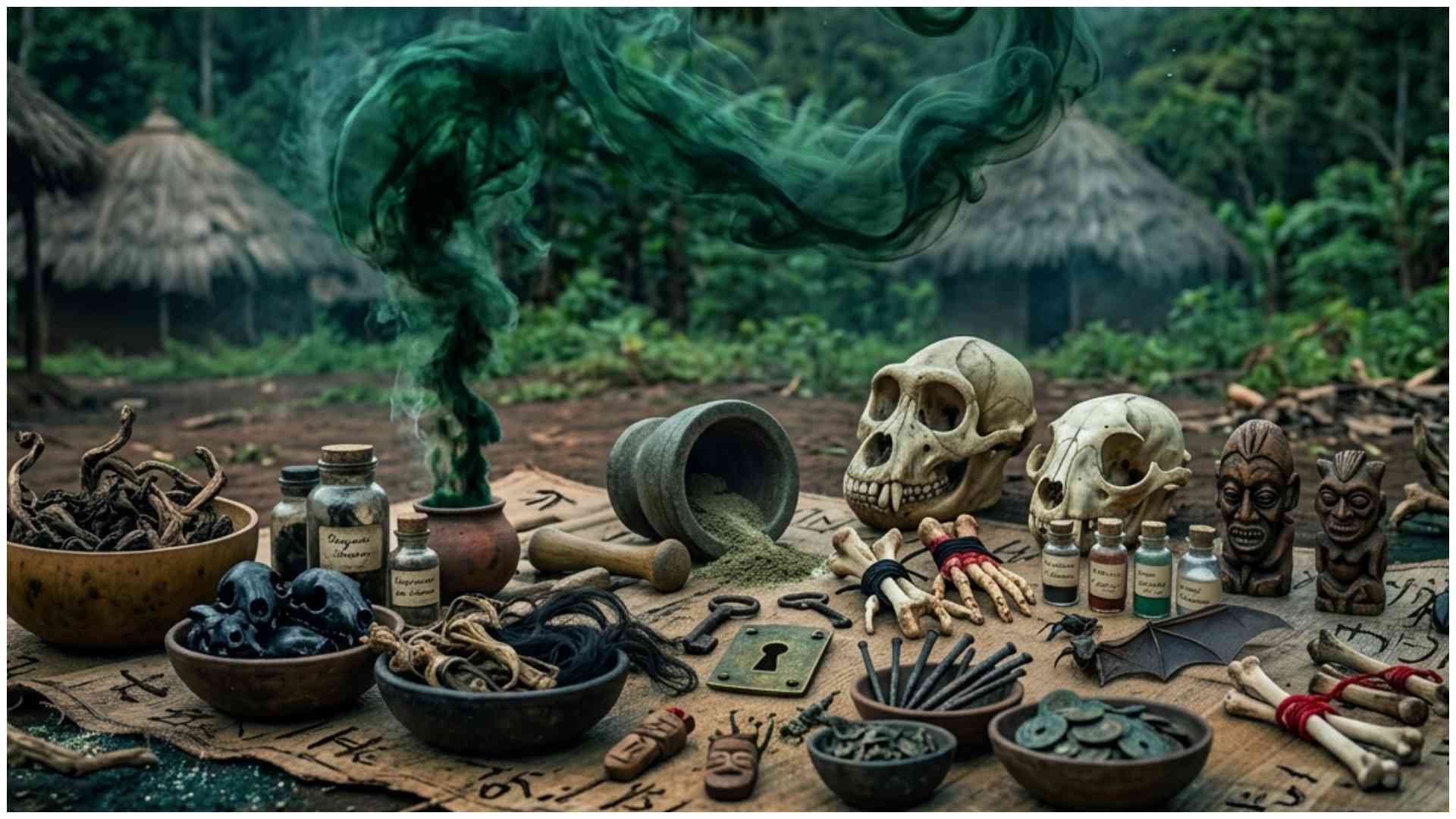
Recently, the death of Ohangla musician Tony Ndiema reignited the persistent belief that some artistes use supernatural powers, traditional rituals or witchcraft to gain fame, wealth and influence.
Ndiema's death, following a mysterious illness that he had previously linked to alleged spiritual attacks from rivals, has revived decades-old speculation within the music industry.
Before his death, he had described strange health challenges that affected his performances, including losing his voice only when appearing before a live audience despite being able to record songs normally in the studio.
While there is no evidence linking his illness to witchcraft, the claims mirror stories that have circulated across East Africa's entertainment scene for generations.
Yet despite the persistence of these narratives, verifiable evidence remains scarce, leaving most claims firmly in the realm of personal testimony, belief and speculation.
Ohangla musician Tom Mboya is among those who insist such practices exist. Following Ndiema's death, he claimed some musicians seek assistance from traditional healers to boost the popularity of their music or weaken competitors.
Similar accusations have surfaced repeatedly in the Luo music scene whenever an artiste experiences a dramatic rise to fame, an unexplained illness or an untimely death.
Perhaps one of the most striking testimonies comes from Kenyan gospel musician Rigan Sarkozi, who, a while back, where he openly admitted that before becoming a gospel artiste he had been involved in criminal activities, drug dealing and witchcraft.
"As a Christian and a human being, I got saved in 2011 and since then, I haven’t spoken about this (practising witchcraft)," he said.
"I did not wake up just one morning and get saved. I have been involved in theft cases, witchcraft, among others. I would come into your house and steal your TV set and leave, only for you to realise it hours later," he admitted.
In April this year, Tanzanian singer Dulla Makabila openly claimed that witchcraft is real and says his own experiences in the music industry convinced him to embrace it.
Speaking during an interview with Mzazi Willy M Tuva, Dulla admitted that he was once sceptical about witchcraft, “At first, I never believed in it at all. I was like everyone else who reacts with shock when they hear about witchcraft.”
According to him, his views changed after a series of setbacks threatened his career.
He recalled returning to his rural home after achieving fame, where locals asked him for financial support.
Shortly afterwards, he said, promoters who had booked him for performances suddenly cancelled his appearances and replaced him with other artistes.
Dulla said the incident happened more than once, leaving him convinced that something unusual was working against him. “I was shocked. It happened again a second time,” he added.
He revealed that his then-girlfriend encouraged him to seek help from a traditional healer.
He described undergoing rituals involving coconuts, which were used to determine whether his fortunes would improve.
“The lady I was dating at that time knew a bit about witchcraft, so she told me to get into the car. We went to a witchdoctor, and he did his rituals,” Dulla said. “At first, the coconuts refused to split many times, and a child had to be called to break them.”
He claimed that shortly after the ritual, the same promoter who had previously rejected him began contacting him again.
The experience, Dulla claimed, transformed his beliefs. “From that time, I believed in witchcraft and I joined officially,” he said, adding, “Right now, I have my circle of witches.”
Still in Tanzania, Diamond Platnumz has also found himself at the centre of numerous witchcraft-related controversies.
His former associate and fellow musician Ommy Dimpoz once claimed that people had warned him that Diamond allegedly consulted traditional healers to maintain his dominance in the music industry.
Diamond has never publicly admitted to using witchcraft and such claims remain unsubstantiated.
At the same time, Diamond himself levelled accusations against former partner Hamisa Mobetto, claiming she sought the services of traditional healers in an attempt to influence their relationship.
Hamisa denied visiting witchdoctors for such purposes, insisting that any spiritual consultations she undertook were for guidance rather than witchcraft.
Another rapper, Darassa, has also publicly acknowledged visiting a traditional healer at one point in his life. However, he clarified that the visit had nothing to do with advancing his music career.
"Nikisema sijawahi enda kwa mganga, nitakua nimedanganya. Nimewahi kwenda kwa mganga mara moja kwenye maisha yangu," he said.
According to him, he visited a healer while playing football as part of a team that believed in such practices, and he was following instructions from team officials rather than seeking supernatural powers for personal gain.
Perhaps the most candid admission came from Esma Khan, Diamond Platnumz's sister.
In interviews with Tanzanian media, she openly stated that she visits traditional healers and uses protective charms for her businesses.
"Kwa mganga mimi naenda, huyo ni mshikaji wangu. Unaweza ukaenda dukani ukapata kuna irizi mlango. Usipojikinga itakuaje? Kwa mganga sikatai, naenda, naroga," she said.
She argued that spiritual protection is common in business circles and insisted she saw nothing wrong with seeking such assistance.
"Naenda kwa ajili ya biashara zangu."
Subscribe to our newsletter and stay updated on the latest developments and special offers!