×

The Standard e-Paper
Informed Minds Prefer The Standard





Audio By Vocalize
Margaret Wanjiru is full of energy as she steps to the podium.
Cheerful and confident, she moves around the room, engaging participants in a discussion on self-care for people living with HIV.
The session is lively and interactive. Nothing about her appearance suggests she is living with HIV until she shares her personal journey. To Wanjiru, HIV is neither a death sentence, nor something that is visible.
She has lived with the virus for decades, thanks to the power of self-care. “Did you expect me to be frail? No. HIV is not visible. It is all about self-care,” she says.
She has consistently adhered to her medication, keeping her viral load suppressed. This has enabled her to remain healthy, productive and actively engaged in her daily work without limitations.
Beyond taking antiretroviral medication, Wanjiru prioritises a balanced diet, regular exercise and protecting her mental well-being.
When The Standard on Saturday met her, she was seated on the shores of Lake Naivasha, enjoying the cool breeze after a busy day of community HIV engagement.
“Whatever I do each day is about taking care of myself. This evening, I needed to unwind, so I came here to relax,” she says.
To her, self-care goes far beyond taking medication.“I do not take medicine to please a doctor. I take it because it is my life and my health,” she says.
“Self-care is about putting myself first. Before I do anything, I ask whether it is good for me. Every decision I make should protect my health,” she adds.
On this particular day, Wanjiru had planned to travel back to her home in Gilgil. However, road barricades following the anniversary of the Gen Z protests forced her to postpone the journey. To her, choosing to stay behind was an act of self-care.
“I had the option of travelling home, but I asked myself what would happen if I got stranded and had to seek accommodation from strangers because of the roadblocks,” she says.
“What if I needed a glass of water at night to take my ARVs? Would I feel comfortable asking? Would they understand? HIV is still highly stigmatised and I might even be chased away. So I chose to stay. Every decision we make should be guided by whether it protects our health.”
Balanced diet
For 58-year-old Patricia Asera, self-care means adhering to treatment, safeguarding her mental health, eating a balanced diet and exercising regularly. As a person ageing with HIV, she also prioritises routine screening for Non-Communicable Diseases (NCDs).
Every morning, Asera begins her day by checking her blood sugar level. The reading determines her diet and helps her plan the rest of her day.
In addition to living with HIV, Asera has diabetes, hypertension, a heart condition and asthma.
“Every single morning, I check my sugar levels. That helps me decide the type of food to eat, how much water to drink and generally, how to conduct myself throughout the day,” she says.
She regrets that many people living with HIV focus mainly on suppressing their viral load while neglecting regular screening for other illnesses, particularly non-communicable diseases.
“Sometimes people living with HIV become so focused on their viral load that they forget other aspects of self-care even simple things like taking time for themselves,” observes Asera.
On nutrition, Asera opts for simple and readily available foods such as eggs, avocados, vegetables and ugali, while ensuring she drinks enough water throughout the day. Water, she says not only improves hydration, but also helps the body process medication effectively and prevents kidney complications.
Mental health is another pillar of Asera’s self-care routine. For instance whenever she feels overwhelmed, she reaches out to trusted friends and family instead of suffering in silence.
Asera attributes her good health to decades of consistent self-care. She has lived with HIV for more than 30 years, having been diagnosed in 1990 at a time when HIV treatment was not readily available.
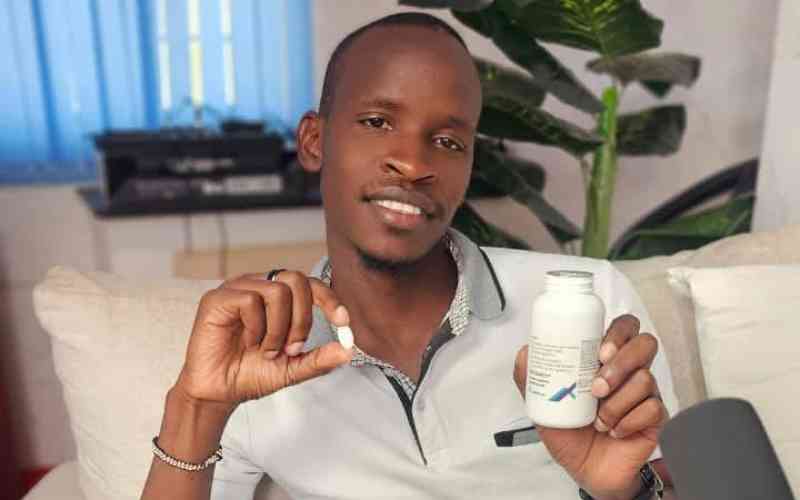
Justine Rawinji says HIV takes a heavy toll on mental health, particularly among young people.
Support groups
Many young adults, he explains, are at a stage in life where they are thinking about relationships, marriage and starting families.
However, fear of rejection, stigma and discrimination often makes disclosing their HIV status difficult. As a result, some disengage from care, skip their ART medication for fear of being discovered, or turn to alcohol and other unhealthy coping mechanisms.
The 33-year-old regrets that many young adults struggle with depression and poor treatment adherence, increasing their risk of HIV-related complications.
“Stress and lack of acceptance is what is slowly killing youths living with HIV,” observes Rawinji. “Youths struggle to take ARVs and share their status with their partners for fear of being dumped”.
Rawinji credits peer support groups that has helped him navigate life with HIV, a journey he has walked for more than 15 years.
Support groups have become a lifeline for many people living with HIV, providing safe spaces to share experiences, encourage one another and discuss practical ways of overcoming challenges such as stigma, disclosure and pill fatigue.
“Human beings are social animals. We learn from one another. In our support groups, people openly share their day-to-day experiences of living with HIV and together we find solutions,” says Justine Rawinji.
“We encourage each other on issues such as coping with pill fatigue and staying committed to treatment.”
The Nairobi-based counsellor, raised in Homa Bay, says loving himself and believing in his future have made self-care central to his life. He maintains a balanced diet, attends regular medical check-ups, adheres to treatment and prioritises his mental health.
“Since I learnt I was HIV positive, I became my own champion. I am my own hero,” he says.
Rawinji acquired HIV at birth, but it was diagnosed when he was 10 after he was admitted to hospital with tuberculosis. The renewed push for self-care comes as Kenya adjusts to donor funding cuts. For years, the country’s HIV response relied heavily on donor support.
However, the sector was shaken by the Stop Work Order signed by US President Donald Trump in 2025, forcing Kenya to integrate HIV services into the broader healthcare system.
“For a long time, USAID supported patient follow-up through phone calls, home visits, counselling and linkage back to care,” says NEPHAK Executive Director Nelson Otwoma. “Under the integrated system, nobody follows you up. It is now your responsibility.”
Otwoma says lifelong HIV treatment requires people living with the virus to take charge of their health by adhering to medication, attending clinic appointments and embracing self-care. Many facilities, he says, lack enough healthcare workers to provide follow-up and counselling, while some providers have limited HIV treatment experience.
“It is upon a person living with HIV to know their medication, understand the correct dosage, know when to take it and adhere consistently,” he says. NEPHAK has partnered with the National AIDS and STI Control Programme (NASCOP) to promote self-care through six-month ARV refills, Community ART Groups, private clinic collection points and routine screening for non-communicable diseases under the Social Health Authority.
Kenya aims to eliminate new HIV infections by 2030. According to the 2026 National Syndemic Diseases Control Council report, about 1.48 million Kenyans are living with HIV, with 13,936 new infections recorded in 2026. Ten counties account for 60 per cent of all cases, underscoring the need for targeted, county-led interventions.
Subscribe to our newsletter and stay updated on the latest developments and special offers!