×

The Standard e-Paper
Home To Bold Columnists





Audio By Vocalize

Matatus parked at a petrol station in Karen, Nairobi. [Wilberforce Okwiri, Standard]
Kenya yesterday incurred heavy losses following the countrywide protests over the high cost of fuel.
Businesses across major economic hubs remained closed for the day as people were left not only stranded but also fearing the threat of vandalism and looting. There were also concerns that the protests could turn deadly.
The few businesses that were open reported marginal sales as the demonstrations severely crippled the private sector activity.
Logistics ground to a halt as matatus, trucks and digital taxis stayed off the roads, with people unable to make it to their workplaces while critical products such as fresh produce and raw materials never made it to markets, affecting manufacturing, retail and other key sectors.
The government, too, lost in missed tax revenues, dealing a blow to the Kenya Revenue Authority (KRA) that is already under pressure for high revenue collection targets.
The biggest hit for the tax authority came from petroleum taxes, with commercial vehicles and even private motorists staying off the roads.
The government is heavily reliant on daily, uninterrupted revenue to service its debt obligations and finance public sector operations.
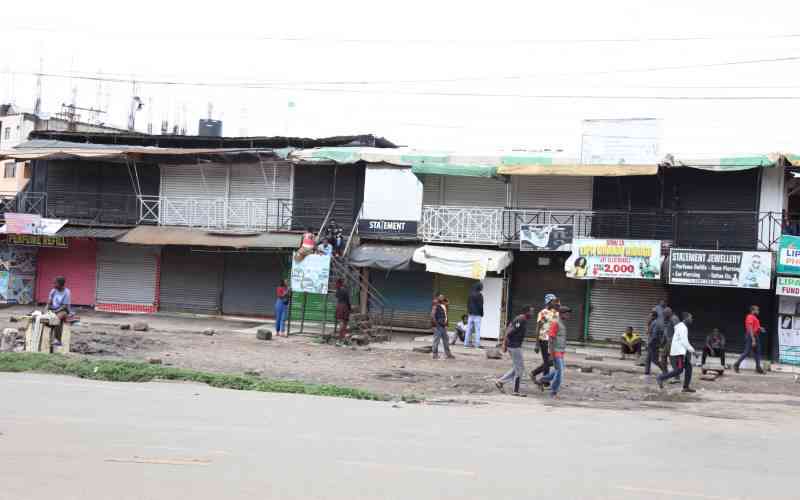
Shops closed in Rongai. [Wilberforce Okwiri, Standard]
In the current financial year, KRA has been collecting between Sh7 billion and Sh8 billion per day, on average, going by its collections for the nine months to March 31, during which it collected Sh2.038 trillion.
While the protests yesterday did not rob the government of the entire day’s collection, and also considering taxes such as Pay as You Earn on salaries are almost guaranteed despite such disruptions, it must have significantly dented this, going by the number of businesses that remained closed throughout the day.
Taxes on petroleum products, which are partly fuelling the protest by transporters, are a key revenue stream for the government.
According to KRA data, the government collected about Sh340 billion in different petroleum taxes in the year to June 2025, accounting for about 13 per cent of the total revenue of Sh2.572 trillion. Over the year, petroleum taxes collected translated to nearly Sh1 billion every day. Following yesterday’s standoff, the government may have missed a significant chunk of this amount.
The Kenya Private Sector Alliance has, in the past, estimated that the economy could be losing as much as Sh3 billion per day whenever there are demonstrations.
The losses are attributed to lost opportunities when businesses have to close down as a precaution but also due to looting, destruction and damage of property.
Yesterday, the transport sector was at the centre of the protests but it also felt the impact of lost business throughout the day.
The transport slowdown is very disruptive, given that it is a key driver of the economy.
On Monday alone, Albert Karakacha, the president of the Matatu Owners Association (MOA), projected that the sector incurred a Sh500 million loss as a result of the transport paralysis.
According to the association, at least 380,000 vehicles ply different routes, offering the critical service to the economy.
“We are ready to continue incurring the losses. We cannot afford to pay car loans anymore because fuel consumes all profits,” said Karakacha.
Subscribe to our newsletter and stay updated on the latest developments and special offers!