×

The Standard e-Paper
Read Offline Anywhere





Audio By Vocalize
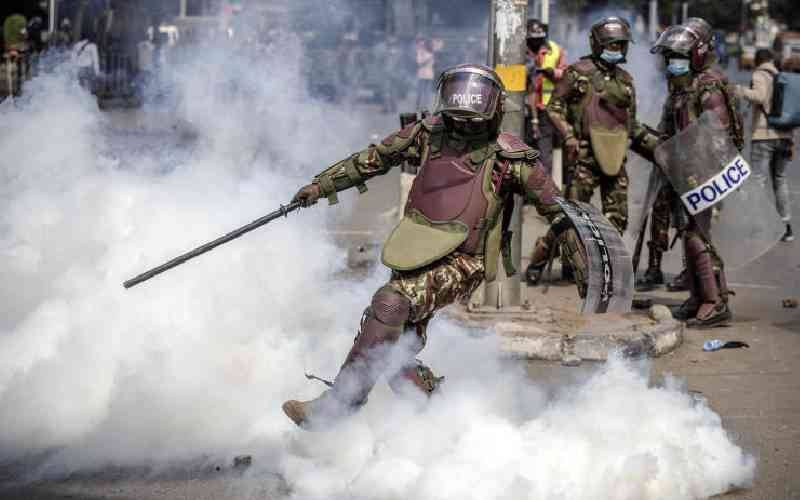
Victims of looting, vandalism and other ordinary criminal acts during protests will not qualify for compensation under Kenya’s Sh2 billion reparations programme, the Kenya National Commission on Human Rights (Kenya National Commission on Human Rights) has clarified.
The commission said the government-backed framework is strictly limited to gross human rights violations and will not cover crimes such as theft, destruction of property or assaults carried out by civilians during demonstrations.
Speaking at State House, Nairobi, during the presentation of the Report on the Framework for Reparations for Victims of Human Rights Violations, KNCHR Chairperson Claris Ogangah said the distinction is necessary to ensure accountability and proper use of public funds.
“The commission did this acknowledging that not all cases reported to the commission qualify as gross human rights violations for reparations, as some were isolated criminal acts,” Ogangah said.
She added that such cases, including looting and vandalism, should instead be handled through the ordinary criminal justice system.
“Some of these incidents, including those committed by individual police officers and other citizens, should go through the criminal justice processes,” she said.
The compensation programme covers victims of systemic violations allegedly linked to state actions during protests held between 2017 and 2025. These include demonstrations after the 2017 and 2022 elections, Finance Bill protests in 2023 and 2024, and the 2025 Saba Saba protests.
According to KNCHR, eligible cases include extrajudicial killings, enforced disappearances, torture, serious injuries caused by excessive use of force, and sexual and gender-based violence.
Ogangah said the commission had prioritised cases that reflect widespread or systemic violations involving state actors or their agents.
“The report identifies cases that were widespread or systemic in nature,” she noted.
The clarification comes as the government moves to roll out compensation funded by a Sh2 billion allocation in the 2025/2026 supplementary budget. The programme follows years of protests that resulted in deaths, injuries, arrests and destruction of property across the country.
President William Ruto had earlier announced the establishment of a victims’ compensation panel and directed that all eligible victims be identified and profiled for payment.
“I took the first step and gazetted a victims’ compensation panel. We have identified all the victims and profiled their names,” the President said earlier this year.
However, KNCHR has indicated that not all submitted claims qualify for reparations, stressing the need to separate criminal conduct from human rights violations.
The commission also revealed that additional cases have continued to be submitted through the Independent Policing Oversight Authority (IPOA) and the Ministry of Interior even after the official report was completed.
The government has since extended the term of the Panel of Experts on Compensation of Victims of Human Rights Violations by 90 days to allow further verification and completion of pending work.
According to officials, the extension will ensure that only verified victims benefit from the programme, while excluded cases are directed to appropriate legal channels.
Subscribe to our newsletter and stay updated on the latest developments and special offers!