×

The Standard e-Paper
Read Offline Anywhere





Audio By Vocalize
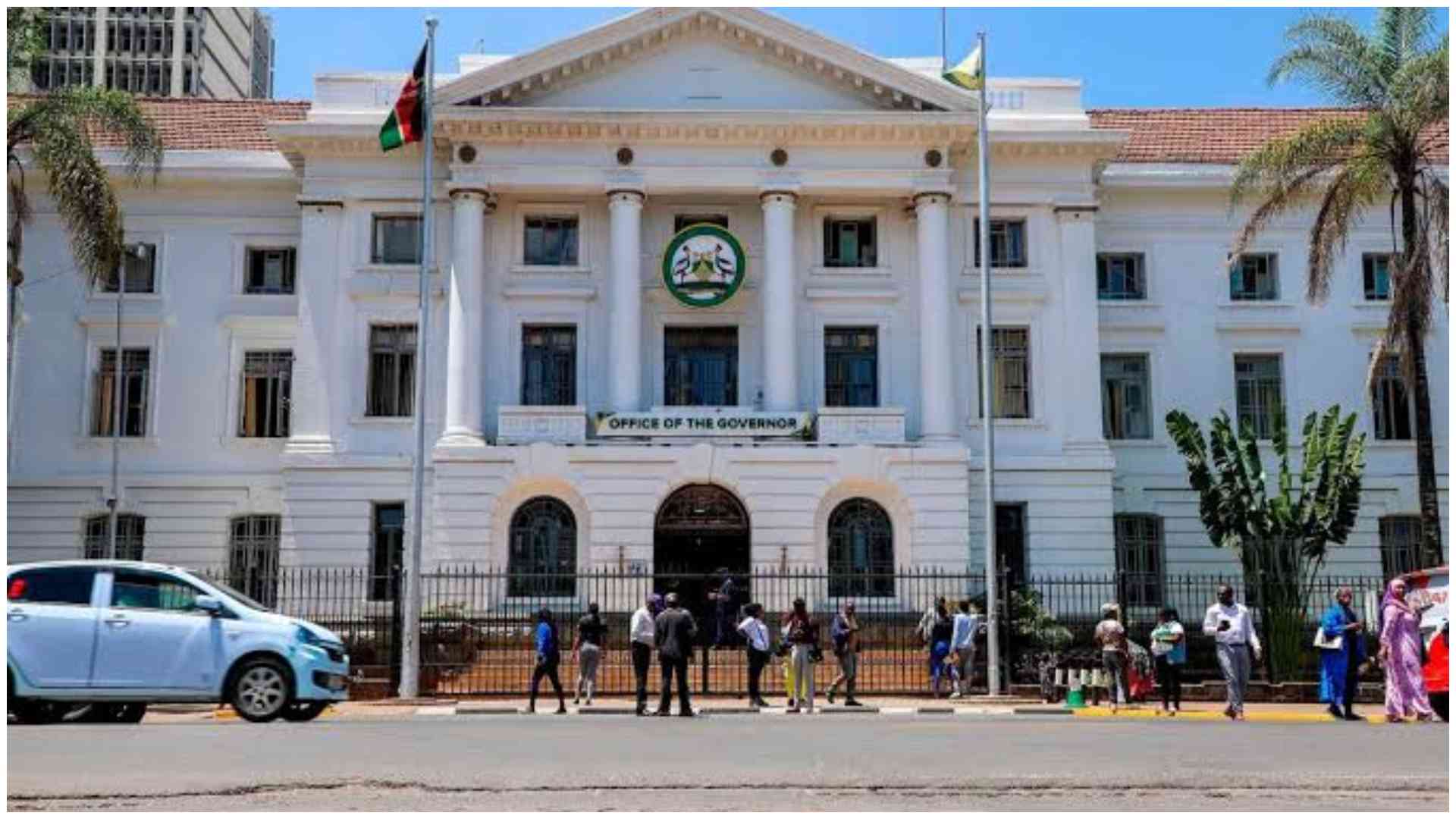
Nairobi County Government has entered the 2026/27 financial year without an approved budget after the assembly failed to pass the budget estimates before the June 30 deadline.
The budget impasse comes amid claims by a source familiar with the negotiations that a section of Members of the County Assembly (MCAs) is demanding Sh10 million each before approving the 2026/27 budget.
The development has deepened uncertainty over the implementation of county programmes and development projects at the start of the new financial year.
The source, who spoke on condition of anonymity, alleged that the budget process has become a bargaining chip as many MCAs prepare for what could be their final term ahead of the 2027 General Election.
According to the source, the prolonged stalemate could also hurt the County Assembly itself, as the budget finances both the Executive and the Assembly’s operations.
“The Assembly also depends on this budget for its own operations. Delaying its approval ultimately affects both arms of the county government,” the source said.
With the new financial year now underway, concerns are mounting over possible delays in the implementation of county programmes, payment of contractors, procurement of goods and services, and the rollout of development projects across Nairobi.
In the absence of an approved budget, the county is expected to rely on constitutional and statutory provisions that permit limited expenditure to ensure essential county services continue until the budget and the accompanying Appropriation Act are passed.
The proposed 2026/27 budget is expected to finance the completion of modern markets across the county, road construction and rehabilitation, expansion of drainage infrastructure, installation of street lighting in estates, construction of new stadiums and completion of ongoing sports facilities, bursaries for needy students, and allocations to the Ward Development Fund.
The budget is also expected to maintain the county’s position of not introducing any new taxes.
A key beneficiary of the budget is expected to be the Dishi na County school feeding programme, one of Governor Johnson Sakaja’s flagship initiatives, which currently provides meals to more than 316,000 learners in more than 230 public primary schools across Nairobi’s 17 sub-counties.
The programme has been credited with increasing school enrolment and improving learner attendance.
The budget is also expected to sustain funding for other flagship programmes under the Sakaja administration, including healthcare reforms, expansion of road infrastructure, drainage improvement to mitigate flooding, waste management, environmental restoration through the Green Nairobi initiative, affordable housing support infrastructure, and continued investment in Early Childhood Development Education facilities and vocational training centres.
Politically, the budget carries enormous significance as it is likely to be the last full-year budget implemented before campaigns for the 2027 General Election gather momentum.
Subscribe to our newsletter and stay updated on the latest developments and special offers!