×

The Standard e-Paper
Join Thousands of Readers





Audio By Vocalize
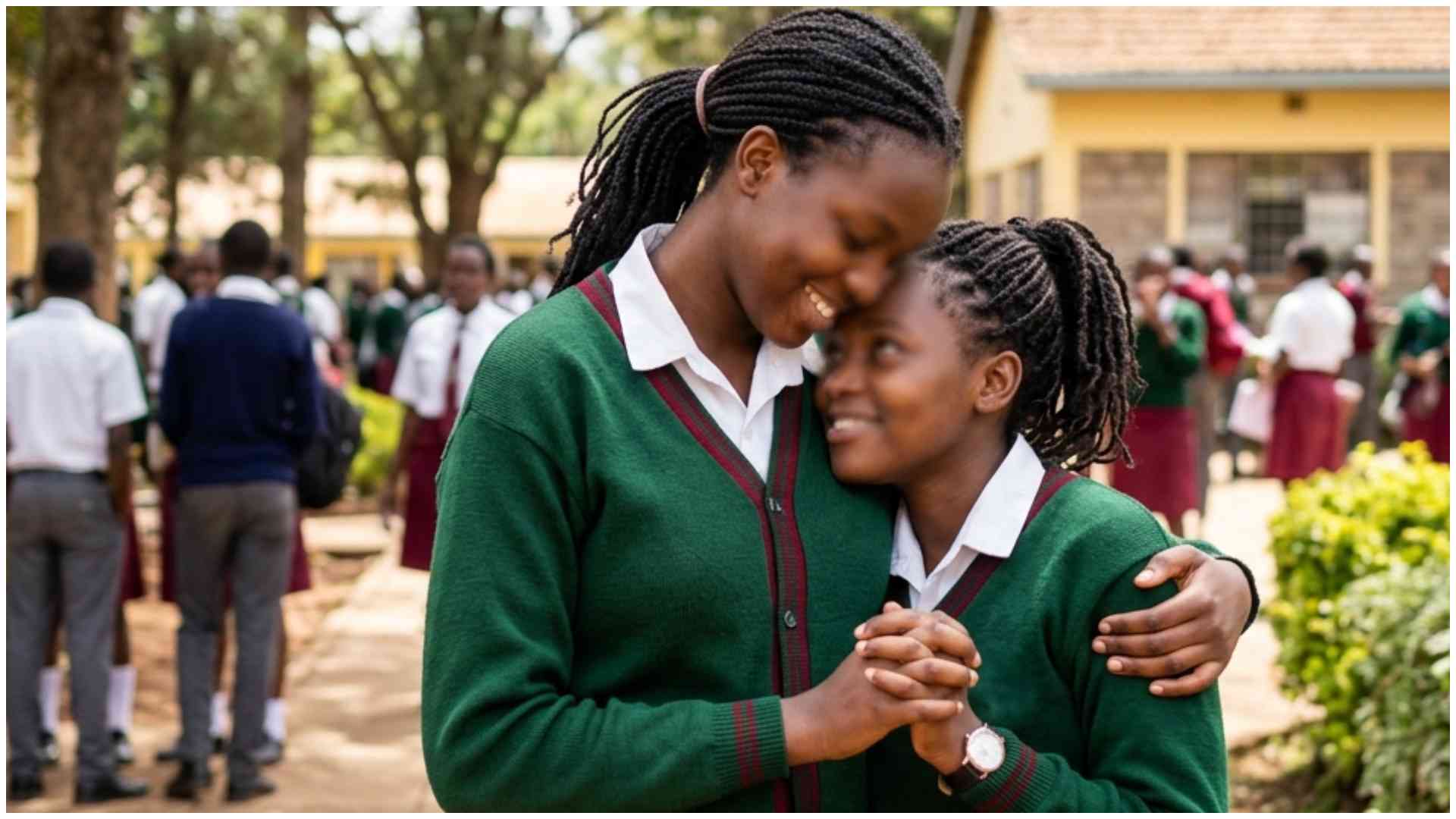
When news of unrest in school break out, the instant thought among many Kenyans is that the cause could be exam pressure, poor food quality, strict rules, entertainment restrictions or student grievances against administrators.
For long, Kenyans have never imagined that homosexuality is another source of disobedience in schools, especially boarding institutions.
Slowly, homosexuality is being cited as a major cause of unrest kept under wraps.
Yet in dormitories, classrooms and school compounds, allegations of same-sex relationships have increasingly become a source of tension, disciplinary action and heated debate.
Teachers are caught in difficult situations, and students often find themselves trapped between personal experiences and stigma.
The issue sits at the intersection of law, religion, culture, child protection and education, making it one of the most sensitive challenges facing Kenyan schools today.
For many institutions, it is a conversation that takes place behind closed doors. Yet for students who have experienced same-sex attraction, the reality is often impossible to ignore.
For 23-year-old Tasha, the journey began while she was still a teenager in high school.
“I started noticing I was attracted to girls when I was around 14,” she says. “At first, I thought I simply admired them. But as time went on, I realised my feelings were different. I would get excited around certain girls and think about them far more than I thought about boys.”
At the time, she says, she had nobody she could openly speak to. The school environment offered little room for discussions about sexuality, while fear of judgment made confiding in teachers or fellow students almost impossible.
“The biggest challenge was fear,” she recalls. “I worried about what teachers, students and even family members would think. There were rumours and gossip, and I felt like I had to hide a part of myself.”
Her experience mirrors that of 34-year-old Shiks, who says she first recognised her feelings while in Form Two.
“I developed a crush on one of my classmates,” she says. “I wanted to spend all my time with her. I felt jealous when she paid attention to other people. That’s when I started understanding what I was feeling.”
What began as friendship gradually evolved into a deeper emotional connection. “We shared personal conversations and supported each other. Over time our feelings became romantic.”
However, keeping such feelings secret became emotionally exhausting. “I struggled with self-acceptance because I knew many people around me did not understand same-sex relationships. There was teasing, isolation and constant fear of being exposed,” she reveals.
The boarding school reality
Kenyan boarding schools create a unique social environment.
Students live together for months at a time, sharing dormitories, bathrooms, classrooms and recreational spaces.
Friendships often become intense because students spend nearly every hour of the day together.
Education experts note that such environments can amplify both emotional bonds and social tensions.
When allegations of same-sex relationships emerge, they rarely remain private for long. Rumours spread rapidly through dormitories and classrooms. Before long, entire schools may be discussing the issue.
For some students, being labelled gay or lesbian can lead to social exclusion, bullying and humiliation.
In boys’ schools especially, accusations can trigger severe reactions. A former student who spoke to The Nairobian recalls witnessing what happened whenever students were suspected of being homosexual.
“They became outcasts almost immediately,” he says. “People avoided them. Some students viewed them as a disgrace to the school.”
He remembers nights when entire dormitories stayed awake discussing allegations against particular students.
“In one incident, two boys were accused of being involved in a relationship. Some students wanted them beaten. Others tried to protect them. The situation became chaotic.”
The former student says the atmosphere was often driven by fear, anger and peer pressure.
“Nobody wanted to be associated with the accused. Even close friends would distance themselves.”
Such situations sometimes escalate into unrest, especially when students disagree on how the matter should be handled.
School administrators often find themselves dealing with explosive situations. In many cases, allegations lead to investigations, disciplinary hearings and parental involvement.
However, the process can create tension among students.
If a popular student is suspended or expelled, friends may protest. Others may feel the punishment was either too harsh or too lenient.
Education stakeholders say this chain reaction can contribute to unrest as students may organise demonstrations, boycott classes or engage in acts of indiscipline as emotions run high.
Some incidents have reportedly escalated into property destruction and confrontations with school authorities.
Teachers acknowledge that managing such situations requires extreme caution, with the challenge becoming even greater when social media enters the picture.
Screenshots of private conversations, intercepted messages and photographs can quickly spread among students, turning personal matters into school-wide controversies.
What might have remained a private issue in previous generations can now become public within minutes.
The mental health burden
Lost amid the public debate is the psychological impact on the students involved with experts warning that fear of exposure can have devastating consequences on mental health.
Students who believe they may be discovered often live with constant anxiety.
Instead of focusing on academics, they spend much of their time worrying about rumours, disciplinary action or rejection by family and friends.
According to teacher Edwin Mukuro, the effect on academic performance can be huge.
“When students are constantly afraid of being exposed, concentration becomes difficult. They spend more time worrying than studying.”
The result is often declining grades, absenteeism and emotional distress.
Mental health professionals argue that prolonged fear and social isolation can contribute to depression, low self-esteem and other psychological challenges.
For some students, the pressure becomes overwhelming.
“The fear of public humiliation is enormous,” says Mukuro. “Many young people feel trapped between their personal experiences and what society expects of them.”
For many parents, receiving a call from school about allegations involving their child can be shocking.
Mukuro says reactions vary significantly.
“Some parents become concerned and seek more information. Others react emotionally because of their religious or cultural beliefs,” notes Mukuro.
Many parents expect schools to maintain discipline while also ensuring their children’s safety.
The issue becomes particularly difficult because discussions around sexuality remain uncomfortable in many households.
Some parents prefer to avoid the subject entirely, while others demand immediate disciplinary action.
The result is often tension between families and schools over how cases should be handled.
The debate surrounding homosexuality in schools cannot be separated from Kenya’s legal framework.
Kenya remains one of the countries where same-sex sexual conduct is criminalised under the Penal Code. This legal reality influences how many schools, parents and communities view the issue.
At the same time, the Constitution guarantees every child the right to education, dignity and protection from abuse.
These two realities frequently collide. Lawyer Essendi Kenneth describes the situation as a legal balancing act.
“Kenya is operating within a dual legal reality,” he explains. “The Penal Code criminalises certain same-sex conduct, while the Constitution requires schools and the State to protect every child’s rights.”
According to him, schools must carefully navigate both obligations.
“They are expected to maintain discipline and comply with the law while ensuring that learners are not subjected to violence, abuse or unlawful discrimination,” he observes.
A landmark school case
The tension between discipline and student rights was highlighted in 2023 when the High Court upheld the expulsion of a Form Four student at Senior Chief Koinange High School accused of lesbianism.
The student argued that her constitutional right to education had been violated. However, the court ruled that the institution had acted within its disciplinary mandate.
The school maintained that the learner had repeatedly violated rules despite counselling and warnings. The judgment generated significant public debate.
Some viewed the decision as necessary for maintaining discipline, while others argued it highlighted the vulnerability of students accused of homosexuality.
Regardless of one’s position, the case demonstrated how complex the issue has become for educational institutions.
The High Court sitting in Kiambu found the administration was right in expelling the student on November 9, 2021.
Judge Peter Mulwa argued that learning institutions while instilling discipline, have to balance between the right to protection of an indiscipline learner, and the right to education of other students.
“I find no malice in the actions taken by the school to address the possible unrest. Failure to abide by such attracts consequences to be meted by the school,” said Justice Mulwa.
Visibility versus prevalence
One of the biggest questions surrounding the debate is whether homosexuality is actually increasing in schools or simply becoming more visible.
Researchers and legal experts suggest the latter may partly explain current concerns.
Unlike previous generations, today’s students are exposed to global conversations through smartphones, social media and streaming platforms.
Topics that were once rarely discussed are now widely accessible online. Students encounter diverse perspectives on identity, relationships and rights from around the world.
At the same time, Kenyan society remains largely conservative.
This creates a significant gap between the information young people encounter online and the values promoted by many schools, families and religious institutions. The resulting tension often plays out within the school environment.
Parents increasingly cite social media as a major influence on young people.
Platforms such as TikTok, Instagram, Facebook and X expose students to conversations that transcend national borders. Young people today are growing up in a digital world where ideas spread faster than ever before.
Some parents worry that online content promotes lifestyles that conflict with Kenyan cultural values while others argue that the internet merely exposes realities that already exist within society.
Whatever the case, schools are increasingly being forced to confront issues that previous generations rarely discussed publicly.
KFCB and child protection
Concerns about children’s exposure to online content have prompted action from government agencies.
The Kenya Film Classification Board (KFCB) has intensified efforts to promote digital safety and protect minors from inappropriate content.
Working alongside the State Department for Children Services, the agency plans to roll out the “Linda Toto” campaign across all 47 counties. The initiative seeks to equip parents with digital literacy skills while strengthening child protection frameworks. Officials argue that unrestricted internet access has created new challenges for families and schools alike.
However, experts caution that regulating content alone cannot address the broader social and psychological issues affecting young people.
Many educators believe stronger guidance and counselling programmes are urgently needed, however, in numerous schools, counselling departments remain understaffed and underfunded.
Teachers often find themselves handling highly sensitive issues without specialised training. Meanwhile, parents expect schools to provide solutions.
Education experts argue that prevention, counselling and parental engagement are more effective than reactive disciplinary measures alone.
Few issues generate stronger opinions in Kenya than homosexuality. Religious leaders frequently condemn it. Cultural institutions largely reject it. Human rights organisations continue to advocate for dignity and protection of affected individuals.
As a result, schools often find themselves at the centre of a national conversation much larger than education itself as the debate touches on questions of identity, morality, law and children’s rights.
Yet amid the competing viewpoints, one concern remains constant: the welfare of learners.
For Shiks, the lessons from her school experience have remained with her long after graduation.
“Those experiences made me stronger,” she says. “I learned patience, self-respect and the importance of having people you can trust.”
As Kenya continues grappling with the issue, schools remain in the limelight over the raging sensitive and evolving homosexuality debate.
[Molly Chebet, Tania Omusale and Victor Budi]
Subscribe to our newsletter and stay updated on the latest developments and special offers!