×

The Standard e-Paper
Home To Bold Columnists





Audio By Vocalize
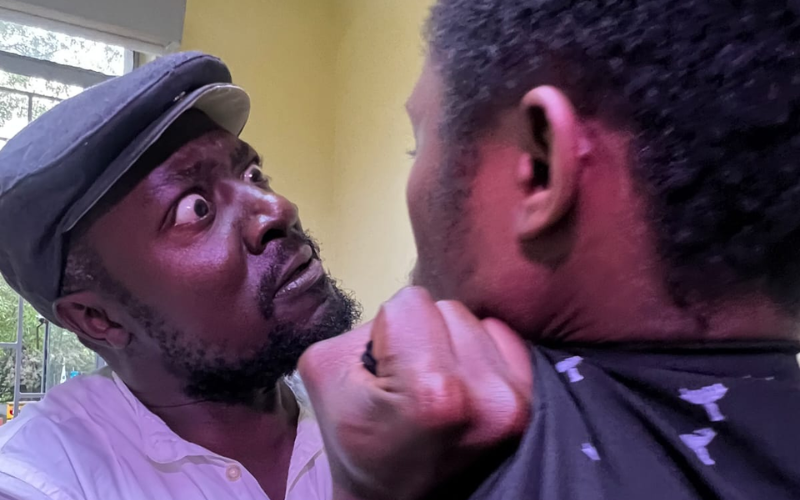
When a celebrated military general dies in a helicopter crash on the eve of his homecoming, his final wish for a burial within 72 hours after a will has been read plunges his family into a race against time in a tragedy play titled Lich: The General Returns.
As the village prepares to honour one of its own according to tradition, his widow faces the threat of wife inheritance; one son must build his house before the burial to prevent it, another is adamant that culture should be followed, while the general’s elder brother invokes culture to claim the widow and the family’s legacy.
Presented by Son of Muju Productions, the play will be staged at the Kenya National Theatre on August 7 and 8. It is scripted by Brian Aseli and Mike Ndeda, directed by Mike Ndeda, with music by Andrew Ndeda and Brian Aseli.
The story depicts General Rabuor Okello, a military officer from Kabondo Kasipul, whose death in a helicopter crash on the eve of his homecoming pits cultural expectations against personal choices.
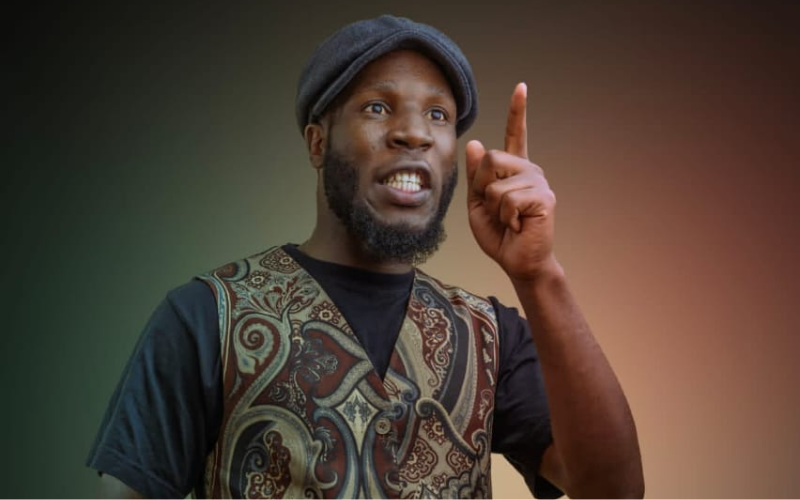
As the family prepares for the funeral, Ondiek, the General's brother (Jeff Obonyo), who is in debt, invokes tradition to claim Atieno (Fulky Nyapis), the widow, unless her son, Owuor (Sam Ouma), can build a house before the burial deadline. The demand causes a rift in the family over whether culture is being honoured or manipulated for personal gain.
While Owuor races to build his house, he meets Golda (Sharlette Ondiegochiah), a woman who was ostracised after refusing wife inheritance years earlier. Her experience challenges beliefs and exposes how rumours and fear can be used to enforce harmful customs.
Shiku (Bridgette Macharia), Owuor's girlfriend, openly questions traditions that aim to control women's choices. Meanwhile, Omondi (Keith Sifuna), Owuor’s brother, is stuck with the old ways, and Elder (Leon Ochieng) instructs the family on what people of Kabondo Kasipul want.
The play examines themes of culture as both shelter and weapon, women’s agency, wife inheritance, grief, family loyalty, gender roles, sibling rivalry, legacy, opportunism, and complicity. The cast also features Berylhope as Mama Kabando and Andrew Kakai as the lawyer.

Nyapis speaks about the daring move by the General to go against traditions by stating that he wants a burial within 72 hours instead of allowing weeks of mourning before burial.
“Atieno is surprised that the General is the first one to change the ways of culture without saying much. That’s a bombshell hurled upon us. If that can happen, what can’t change?” Nyapis says.
She explains that the General's death also exposed sibling rivalry brought about by parental favouritism. She describes Atieno as a loving wife and mother whose life changes dramatically. She is calm despite everything that happens, but when the pressure becomes too much, she speaks to her late husband, expressing her pain and questions even though he can’t answer. That is when we see her cry for the first time.
She says that Atieno portrays the experiences of widows coping with grief while facing cultural expectations.
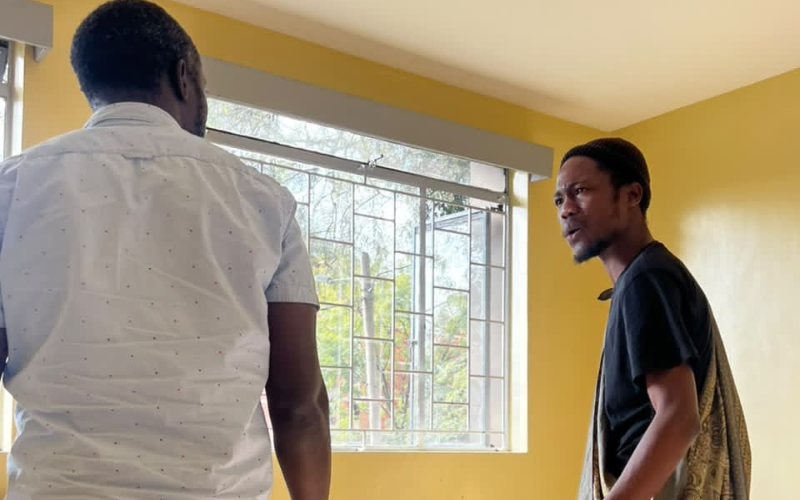
“Her story is a cry for help. Times have changed, and while we still respect culture, some retrogressive practices need to change. Women should speak up, seek help and know they are not alone,” Nyapis expresses.
Obonyo says that while Ondiek genuinely believes in cultural norms, he is also resentful that he gave up an opportunity to join the military to his brother and now wants to become the custodian of the family through inheriting Atieno.
He says that Ondiek represents how culture can be used to justify personal ambitions.
“From the grief point of view, he is fully hurt for the loss of his brother. However, his decisions aren’t entirely about preserving tradition. They are also driven by his fears and personal interests,” Obonyo says.
Co-playwright and director Mike Ndeda says that the stage piece is inspired by real-life events, such as the deaths of General Francis Ogolla; politician Orwa Ojode; Raila Odinga; and after his friend lost his father, a chief in Kabondo Kasipul.

“The story borrows from these true experiences. We looked at discussions around military funerals, public mourning and wife inheritance,” he says.
Ndeda says the 72-hour burial deadline aims to heighten the dramatic stakes. The countdown keeps the pace moving. Every decision the characters make affects what happens next.
He says that Lich: The General Returns explores what happens when a modern family is suddenly forced to adhere to traditions that they are against. He adds that the play doesn’t condemn culture but instead asks audiences to differentiate between traditions that preserve communities and those that are used to oppress.
“Even though the General is absent in the play, his final wish changes everything, and the family has to decide what kind of legacy he leaves behind,” he says.
Previously, Son of Muju Productions staged Jaboya and Fragments, exploring the themes of sex-for-fish exploitation and teenage pregnancy, respectively.
Subscribe to our newsletter and stay updated on the latest developments and special offers!