×

The Standard e-Paper
Home To Bold Columnists





Audio By Vocalize
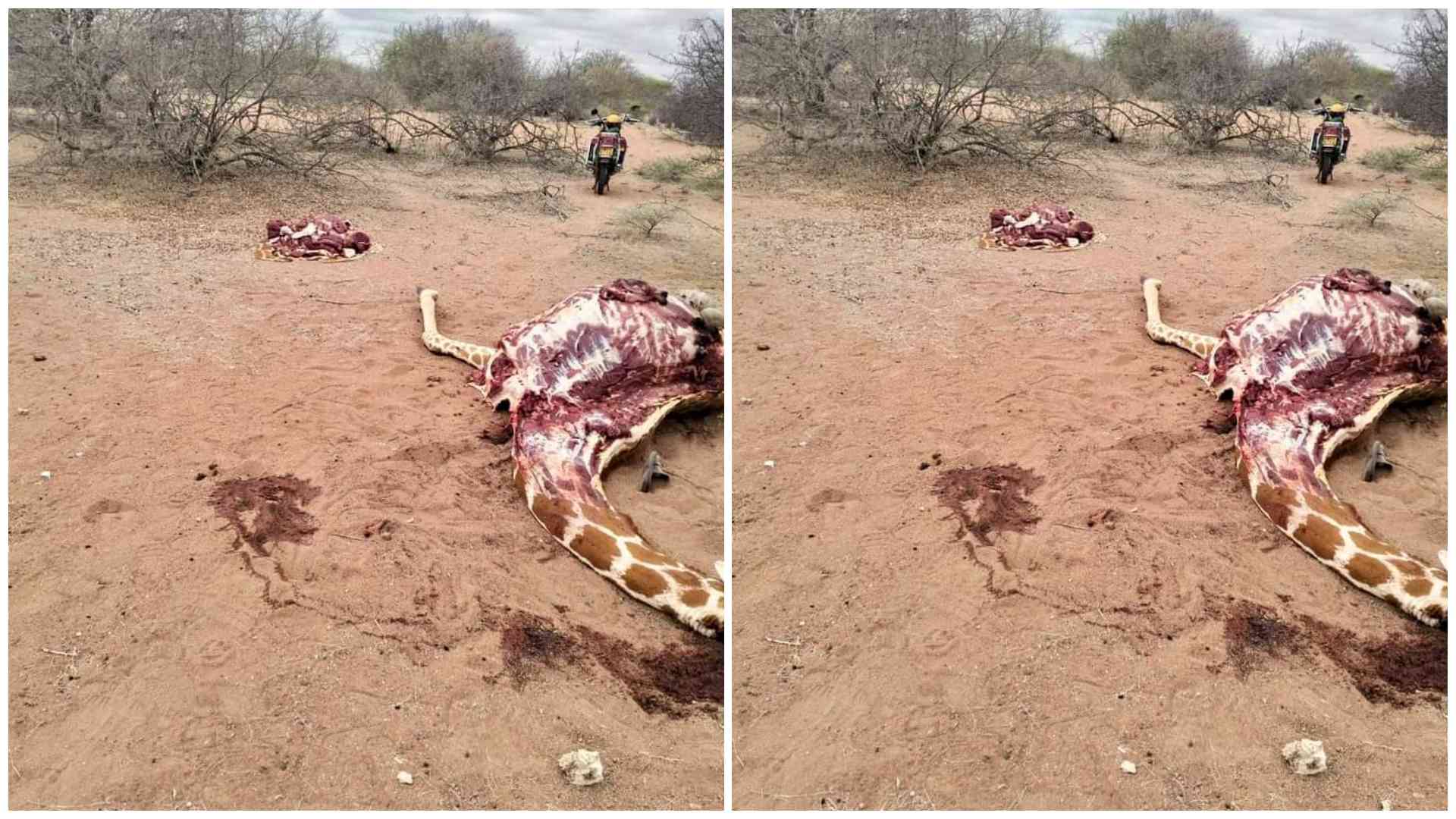
The Kenya Wildlife Service (KWS) has raised alarm over the widespread sale and consumption of game meat in the Tsavo Conservation Area (TCA), warning that the trend is undermining wildlife conservation efforts in Taita Taveta County.
KWS says poachers are indiscriminately killing wildlife, particularly small game, for both subsistence and commercial trade. According to Zainabu Salim, KWS Assistant Director in charge of Community Services in the TCA, species, such as dik-diks, antelopes, impalas, gazelles, giraffes and buffaloes are increasingly under threat due to rising poaching activities.
She noted that the ongoing drought has worsened the situation, fuelling the bushmeat trade as communities struggle to survive. “Bushmeat trade is on the rise, leading to the decimation of some wildlife species. What will our children benefit if we continue killing and destroying the environment?” she posed.
Intelligence reports indicate that game meat is being sold in towns across the county at relatively low prices.
A dik-dik weighing about three kilogrammes reportedly goes for as little as Sh400, while goat and beef sell at around Sh700 and Sh600 per kilogramme respectively. Some consumers say bushmeat is cheaper, and, in some cases, considered more palatable than livestock meat.
However, Salim warned residents against consuming uninspected game meat, saying it poses serious health risks. She also revealed that dozens of local youths, many of them family breadwinners, are currently serving prison sentences of between 10 and 20 years for wildlife-related offences.
The worst-hit areas, include vast ranches and community conservancies that also serve as key wildlife habitats. The Tsavo landscape covers more than 1.4 million acres and comprises 33 community conservancies.
“The unrelenting decline of some wildlife suggests that many vital ecological and socio-economic services provided by these species will be lost, potentially changing ecosystems irrevocably,” she said, adding; “Slaughtering wildlife for consumption and trade is illegal, and anyone found doing so will face the full force of the law.”
She said rising food prices and drought conditions have pushed some locals into poaching and charcoal burning as a means of survival. Poachers reportedly use snares and high-powered lights at night to trap animals.
Conservationists further warn that illegal grazing in Tsavo East and West National Parks, alongside charcoal burning and deforestation in conservancies, is threatening tourism and degrading ecosystems.
They caution that increased livestock presence is diminishing wildlife sightings, reducing the value of the tourism experience.
Experts are now calling for stronger management of community conservancies to address emerging challenges and protect Tsavo’s fragile ecosystem.
Subscribe to our newsletter and stay updated on the latest developments and special offers!